


 world have been increasingly turning to reusable cloth Scuab "Fantasy" COSYLIFE as a sustainable and cost-effective alternative to disposable options. These modern cloth diapers are a far cry from the bulky, pin-fastened versions of the past—today’s designs feature adjustable snaps, soft waterproof outer layers, and absorbent inserts that make them both easy to use and gentle on a baby’s sensitive skin.
Beyond their practicality, reusable cloth diapers offer significant environmental benefits. Disposable diapers take hundreds of years to decompose in landfills, contributing to millions of tons of waste annually. By choosing cloth, families can reduce their carbon footprint dramatically: a single baby may use 6,000 to 10,000 disposable diapers before potty training, but a set of 20 to 30 cloth diapers can last through multiple children.
Economically, cloth diapers also make sense. While the initial investment may range from $200 to $500, the long-term savings are substantial compared to the recurring cost of disposables. Many communities even offer diaper libraries or rental programs to help families try cloth diapering without a large upfront expense.
As awareness of sustainability grows, reusable cloth diapers are becoming a mainstream choice for parents who want to balance convenience with environmental responsibility. With their improved design and proven benefits, it’s no wonder more families are making the switch.
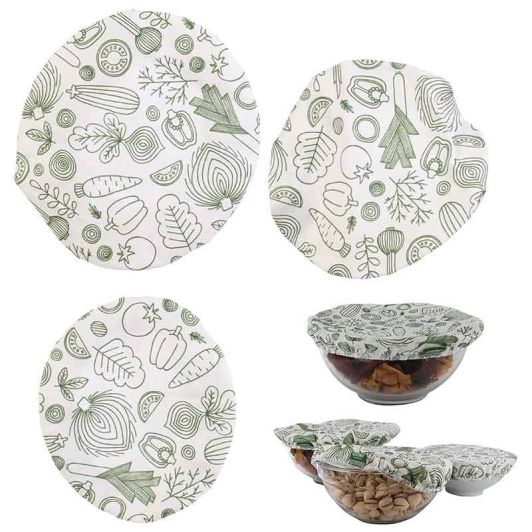
chlúdaigh éadaigh in-athúsáidte
2026-11-16 07:28:09
# The Rise of Reusable Cloth Diapers
In recent years, parents around chlúdaigh éadaigh in-athúsáidte world have been increasingly turning to reusable cloth Scuab "Fantasy" COSYLIFE as a sustainable and cost-effective alternative to disposable options. These modern cloth diapers are a far cry from the bulky, pin-fastened versions of the past—today’s designs feature adjustable snaps, soft waterproof outer layers, and absorbent inserts that make them both easy to use and gentle on a baby’s sensitive skin.
Beyond their practicality, reusable cloth diapers offer significant environmental benefits. Disposable diapers take hundreds of years to decompose in landfills, contributing to millions of tons of waste annually. By choosing cloth, families can reduce their carbon footprint dramatically: a single baby may use 6,000 to 10,000 disposable diapers before potty training, but a set of 20 to 30 cloth diapers can last through multiple children.
Economically, cloth diapers also make sense. While the initial investment may range from $200 to $500, the long-term savings are substantial compared to the recurring cost of disposables. Many communities even offer diaper libraries or rental programs to help families try cloth diapering without a large upfront expense.
As awareness of sustainability grows, reusable cloth diapers are becoming a mainstream choice for parents who want to balance convenience with environmental responsibility. With their improved design and proven benefits, it’s no wonder more families are making the switch.
Comment